
Managing a residential block in London can be deeply rewarding – but it’s not without its challenges. From communication breakdowns to maintenance delays and service charge disputes, certain issues seem to crop up time and again. At Brompton Block Management, we’ve seen these themes play out across developments of all sizes, and we’re sharing the lessons we’ve learned so you can stay ahead of problems before they escalate.
Clear communication isn’t just “nice to have” – it shapes residents’ satisfaction and trust in how their building is managed. Recent data shows that 27% of flat-living residents in the UK don’t receive frequent updates from their block management company, and roughly half find the messages they do get unclear. Only about 30% say their block manager is extremely responsive to questions or concerns. (wilson-hawkins.co.uk)
Set expectations up front about how and when communications will be sent (email, texts, noticeboards), issue regular service updates, and ensure channels are two-way so residents feel heard and informed.
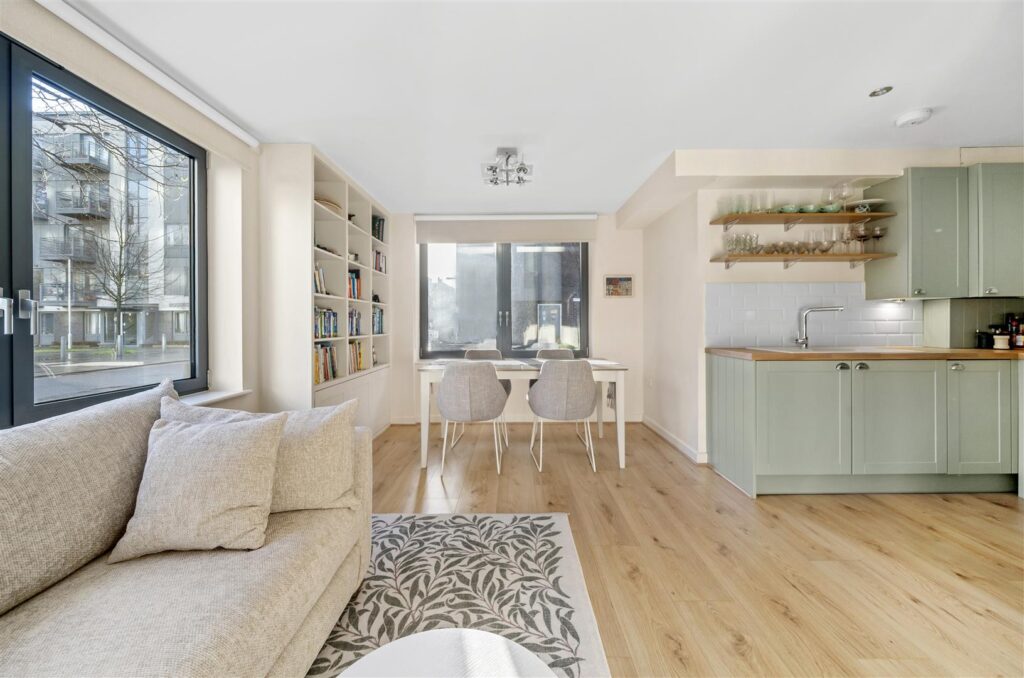
Leaks, boiler breakdowns, alarm faults and similar maintenance problems are among the most commonly reported issues tenants and leaseholders raise. Research indicates that maintenance and repair reports are increasing across the UK, particularly in older buildings where systems are under strain. (landlordzone.co.uk)
Regular, proactive inspections and a reliable contractor network can prevent small problems turning into big, disruptive ones. Responsive scheduling and clear status updates also make a huge difference.
Whether it’s unexpected increases, perceived lack of value, or reserve fund confusion, disagreements over service charges are a perennial headache in block management. For example, some London residents have faced service charge increases of over 70% in a single year, well beyond affordability expectations. (The Guardian)
Publish transparent budgets early, explain cost drivers in plain English, and provide comparative benchmarks so leaseholders can see how their charges stack up in context.
Blocks must comply with a range of evolving regulations, from fire safety checks and building inspections to energy performance standards. The costs of compliance failures can be severe – and poor management of these requirements is a common complaint highlighted in industry reports and regulatory investigations. (wilson-hawkins.co.uk)
Keep a compliance calendar, allocate budget for statutory inspections, and work with specialists to ensure nothing slips through the cracks.

Noise complaints, parking conflicts and shared space tensions are everyday realities in communal living – and without clear policies and mediation mechanisms, they can quickly escalate.
Establish clear house rules, appoint resident representatives for dispute triage, and intervene early with impartial mediation where needed.
Leaseholders and directors alike can become frustrated when there’s a lack of clarity around accounts, reserves or spending decisions.
Share quarterly financial statements, explain variances from budgets, and offer opportunities for questions and walk-throughs so board members fully understand financial health.
Securing the right insurance policy at competitive rates – and handling claims efficiently – remains a complex area for many blocks.
Work with brokers who specialise in residential blocks, review policies annually, and ensure all directors understand cover limits and exclusions.

Poor workmanship, missed deadlines and unreliable supplier relationships are a common source of frustration – and can undermine confidence in the whole management team.
Implement performance standards in contractor agreements, track delivery against SLAs, and keep alternative suppliers on standby for critical services.
Some directors may be overwhelmed by the workload, time commitments or technical aspects of their role – leading to slow decision-making or lack of oversight.
Offer ongoing training for board members, encourage broader resident involvement where possible, and delineate roles and responsibilities clearly to avoid burnout.
Finally, poor complaints processes – or the perception that concerns are ignored – can damage relationships and trigger external escalation. Data cited by industry observers shows that complaints about estate and block management disputes have risen sharply, with some regulatory bodies seeing significant increases in inquiries year-on-year. (wilson-hawkins.co.uk)
Establish a formal complaints procedure, acknowledge issues promptly, investigate and respond within published timeframes, and report back to the community on lessons learned.

London’s block management landscape is diverse and dynamic – and while the city’s scale brings complexity, it also brings clarity on what works and what doesn’t. The most successful developments are ones where residents feel informed, directors feel supported, and processes are transparent and consistent.
At Brompton Block Management, we treat challenges as opportunities for better communication, stronger resident trust, and smoother operations. Getting ahead of these common pain points not only improves day-to-day experience – it protects property values and long-term community wellbeing. If you’d like to talk through your block’s specific issues and how we can support you, schedule a consultation with our team today.
Brompton Block Management, 85 Stroud Green Road, London, N4 3EG
Article & images by Barefaced Studios
You might also want to read other useful blog articles by clicking here.
_________________________________________________________________________
Please note that all content contained within our website is for informational purposes only. You should not construe any such information or other material as legal, tax, investment, financial, or other advice. All Content on this site is information of a general nature and does not address the circumstances of any particular individual or entity. We advise seeking professional advice from a legal, financial, or other professional.
85 Stroud Green Road
Finsbury Park
London
N4 3EG

Privacy Policy | Cookie Policy | Complaints | Consumer Protection
Website by Barefaced Studios
 Changing Block Management: What You Need to Know
  The Essential Maintenance Checklist Every Flat Owner Needs