
Building insurance is one of the most important parts of managing a residential building, yet it’s often something leaseholders only think about when a problem arises.
A leak, fire, weather damage or major structural issue quickly highlights the importance of having the right cover in place. For leaseholders, building insurance provides reassurance that both their home and the wider building are properly protected.
For RTM directors and resident management companies, selecting the right insurance policy is about far more than simply finding the lowest premium. It’s about balancing cost, protection, compliance, and risk responsibly while ensuring leaseholders feel confident in the decisions being made on behalf of the building.
So whether you’re part of an RTM company, involved in managing your building, or simply want greater clarity around how your building is insured

This may sound obvious, but it’s one of the most important starting points. Your building insurance policy should reflect the full rebuild cost of the property, not its market value. That includes the structure itself, communal areas and any shared facilities within the building.
An inaccurate or outdated rebuild valuation can leave a building underinsured. If major damage occurs, the policy may not provide enough cover to fund the full rebuild. As construction and labour costs continue to rise, RTM directors should review rebuild valuations regularly to ensure the building remains adequately protected.
While a lower premium may seem attractive, inadequate cover can prove far more costly when you need to make a claim.
It’s understandable that RTM directors and leaseholders want to keep costs under control, particularly when insurance forms part of the wider service charge budget. However, choosing a policy purely because it is the cheapest option can create significant problems later on.
Not all policies offer the same level of protection. Some may contain exclusions, higher excesses, or weaker claims support that only become apparent when an issue arises. A well-structured policy should balance competitive pricing with strong cover, reliable claims handling, and appropriate protection for the building itself.
The focus should always be long-term value rather than short-term savings.
One of the most common areas of confusion surrounding building insurance is understanding exactly what the policy does, and does not, cover. Some policies include accidental damage while others exclude it entirely. Escape of water claims may be handled differently depending on the insurer, and additional protections such as terrorism cover, legal expenses, directors’ liability insurance, or alternative accommodation can vary significantly between policies.
The issue is not necessarily that exclusions exist. Most policies will contain some level of limitation. The important thing is ensuring those responsible for managing the building understand the details properly before a claim ever arises.
While the building insurance policy protects the physical structure itself, D&O insurance protects the individuals responsible for making decisions on behalf of the RTM company or resident management company.

Many RTM directors are volunteers and leaseholders themselves, yet they still carry significant legal and financial responsibilities. Decisions relating to contractors, finances, health and safety, insurance and building maintenance can all come under scrutiny if a leaseholder, contractor or third party alleges negligence, mismanagement or financial loss.
Even unfounded claims can be stressful and expensive to defend. D&O insurance helps cover legal costs, investigations and allegations made against directors acting in good faith while carrying out their duties.
For this reason, D&O insurance should not be viewed as an optional extra, but as an important safeguard for anyone serving as a director of an RTM or resident management company. It provides reassurance not only for directors themselves, but also for leaseholders, helping ensure decisions can be made confidently, responsibly and in the best interests of the building as a whole.
Because once an incident occurs, discovering that a particular issue isn’t covered can quickly become costly and stressful.
Insurance is about more than the policy itself. The way you manage and maintain the building plays a major role too. Insurers expect RTM directors and managing agents to address maintenance issues promptly and carry out preventative works where needed. Ignore problems for too long, and claims can become more complicated or even disputed.
This means staying on top of repairs, inspections and wider compliance responsibilities. Manage roof maintenance, fire safety measures, water ingress and communal repairs proactively rather than waiting for issues to escalate.
Insurers generally view well-maintained buildings as lower-risk, which can help secure more favourable premiums over time.

Another common misunderstanding is the difference between building insurance and contents insurance. The building policy will usually cover the structure and communal areas of the property. It does not typically cover personal belongings within individual flats, and in some cases may not include certain internal fixtures, flooring, or improvements unless specifically stated.
This is why leaseholders should still arrange their own contents insurance and understand exactly where the building policy begins and ends. Without that clarity, gaps in protection can emerge very easily.
A policy may appear comprehensive on paper, but the real test comes when a claim is made.
How quickly are issues reported? Who communicates with leaseholders? Is there a clear point of contact? How efficiently are repairs and claims progressed? These practical details matter enormously during what is often already a stressful situation.
Poor communication or unclear processes during a claim can create frustration and uncertainty, particularly in larger developments where multiple residents may be affected at once.
A well-managed insurance process should feel organised, transparent, and responsive from start to finish. In many cases, the quality of claims handling reflects both the insurer involved and the effectiveness of the managing agent overseeing the process.
Insurance should never be treated as something that is arranged once and then forgotten about. Buildings evolve over time. Construction costs rise. Regulations change. Occupancy patterns shift. All of these factors can affect whether an existing policy remains suitable and competitive.
Regular reviews help ensure the cover continues to reflect the building accurately while also providing an opportunity to identify potential gaps, reassess risk, and challenge unnecessary costs.
For RTM directors, this forms an important part of demonstrating responsible and transparent management. For leaseholders, it provides reassurance that the building is being properly looked after.
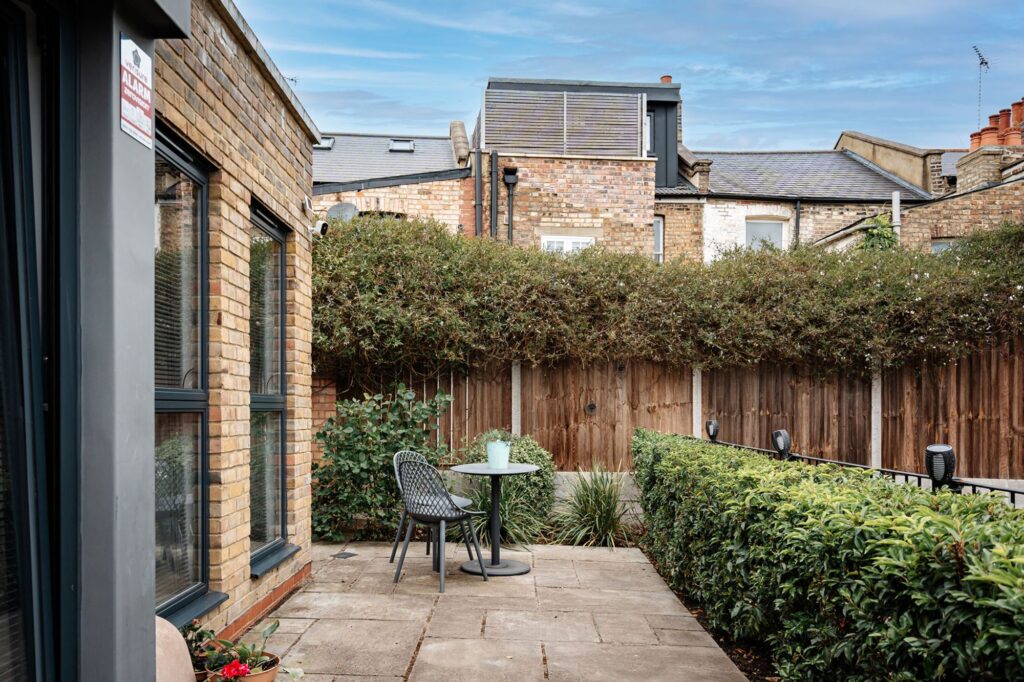
Good building insurance is ultimately about confidence. Confidence that the building is protected appropriately. Confidence that risks are being managed responsibly. And confidence that, should something go wrong, the right systems and support are already in place.
For leaseholders, asking these questions creates greater transparency and understanding. For RTM directors and resident management companies, it supports stronger decision-making and more effective long-term management. Because while building insurance often sits quietly in the background, its importance becomes very clear the moment it’s needed.
At Brompton Block Management, we understand that building insurance is far more than an administrative requirement. It forms a key part of protecting both the building itself and the people who live within it.
For many RTM directors and resident management companies, navigating insurance responsibilities can feel complex, particularly when balancing compliance, maintenance, costs, and leaseholder expectations. Having the right support in place can make that process far more manageable.
The right approach combines appropriate cover, proactive management, regular reviews, and clear communication. And when those elements work together properly, leaseholders and RTM directors alike can feel far more confident that their building is being managed responsibly and professionally.
Brompton Block Management, 85 Stroud Green Road, London, N4 3EG
Article & images by Barefaced Studios
You might also want to read other useful blog articles by clicking here.
_________________________________________________________________________
Please note that all content contained within our website is for informational purposes only. You should not construe any such information or other material as legal, tax, investment, financial, or other advice. All Content on this site is information of a general nature and does not address the circumstances of any particular individual or entity. We advise seeking professional advice from a legal, financial, or other professional.
85 Stroud Green Road
Finsbury Park
London
N4 3EG
Mon – Thurs: 0900 – 1800
Fri: 0900 – 1730

Privacy Policy | Cookie Policy | Complaints | Consumer Protection
Website by Barefaced Studios
 Changing Block Managers? Here’s What to Get in Order Before You Hand in Your Notice
  Why Compliance in Block Management Is Just the Baseline