
When household costs are already stretched, paying into a reserve fund for flats you might not touch for several years can be a difficult sell. It’s a question we hear surprisingly often: do we really need a reserve fund? Could we simply keep service charges lower now and ask leaseholders to chip in when the building actually needs major works?
On paper, it can sound reasonable. In reality, removing a reserve fund (also known as a sinking fund) can leave a block – and its leaseholders financially exposed. Which is precisely the point when expensive work becomes unavoidable.
A reserve fund isn’t money sitting around without a purpose. Done properly, it’s long-term financial planning for the building. And particularly during a cost-of-living squeeze, spreading the cost of future works can be considerably easier for residents than facing a substantial bill with little warning.
The starting point is always the lease.
Many leases allow, or even require, leaseholders to contribute towards future expenditure. If the lease requires a reserve or sinking fund, residents can’t scrap it because they would prefer lower service charges. Conversely, where the lease doesn’t provide for money to be collected and retained for future costs, a landlord generally can’t simply introduce mandatory reserve-fund contributions without addressing the lease position.
So before discussing whether a reserve fund is desirable, the first question should always be: what do the leases actually say? But where the leases permit a reserve fund, there are some very good reasons to think carefully before deciding you would rather do with out it.
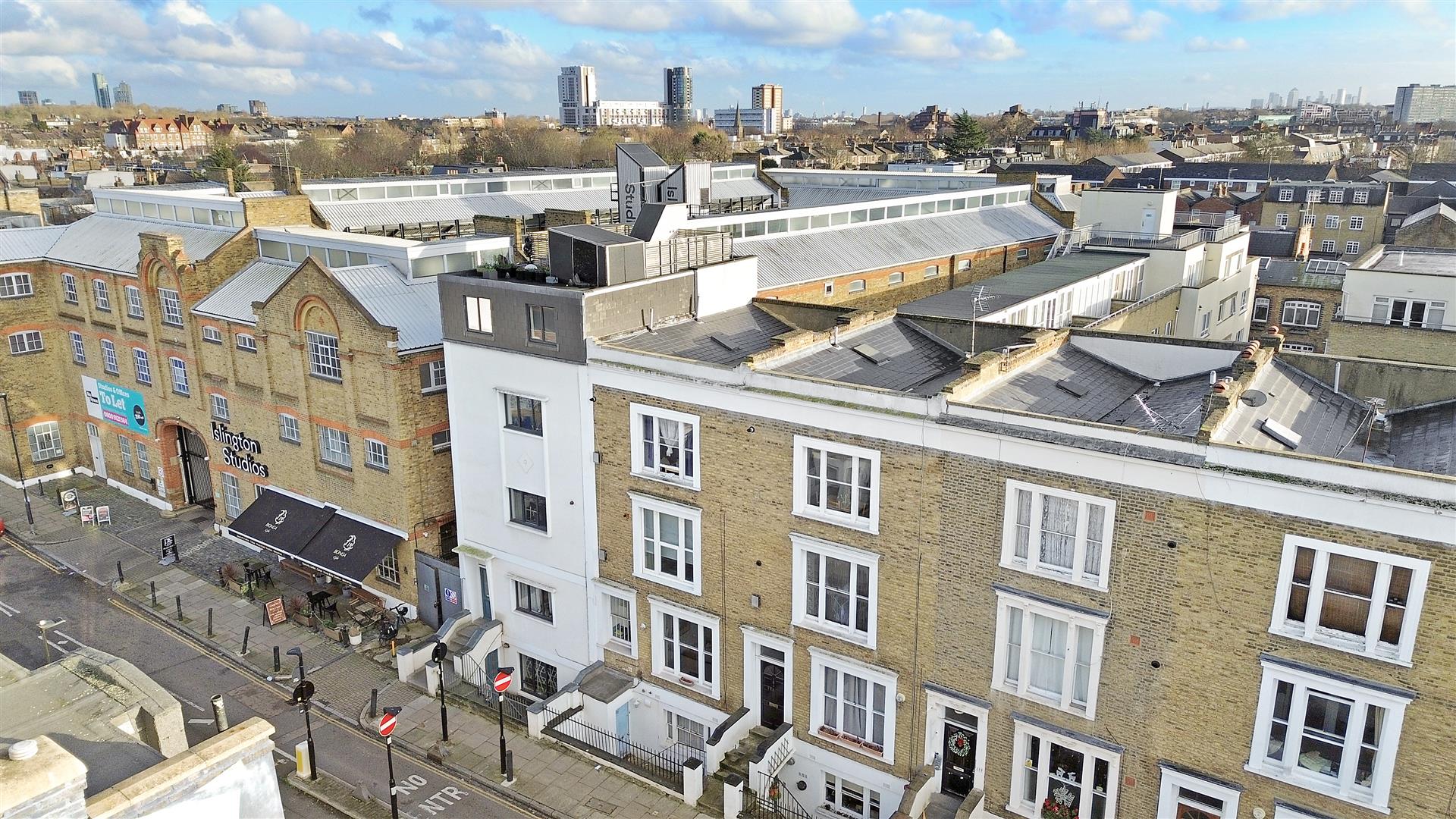
Buildings are expensive things to look after.
Roofs eventually need replacing. External decorations need renewing. Lifts reach the end of their working lives. Windows, communal systems and other major components need significant repair or replacement.
The government describes reserve and sinking funds as money accumulated over a budgeted period to meet major expenditure. Such as, roof repairs, external decoration and lift replacement. The purpose is simple: to reduce the need for sudden additional contributions when those works become necessary.
Imagine a block knows that substantial roof works are likely within the next decade.
That may keep service charges lower in the short term, but the eventual bill won’t disappear. You’ve simply pushed it into the future – and potentially squeezed it into a much shorter period.
This is where the real risk lies for leaseholders.
Without sufficient reserves, major expenditure may have to be funded through additional service charge demands when the work falls due. Subject to the terms of the lease and the relevant consultation requirements. A contribution that could potentially build up gradually over years can become a significant one-off financial commitment.
And that’s particularly relevant in the current economic climate. When residents are already managing mortgages, energy bills, food costs and other household expenditure, an unexpected demand for major building works may be extremely difficult to absorb.
A reserve fund doesn’t make those works cheaper. What it can do is make their cost more predictable and manageable.
When one development first came under our management, its leaseholders were relatively new to block management and, understandably, weren’t familiar with the ins and outs of managing a building’s finances.
Their previous managing agent had never established a reserve fund. So whenever overspends arose at year-end, or essential external works began to build up, the leaseholders had to find the money from their own pockets. Rather than putting a little aside for the future, they were paying when the bills landed. And let’s face it, nobody enjoys an unexpected bill – particularly when it comes with a few extra zeros!
Before recommending anything, we checked the terms of the lease to make sure establishing a reserve fund wasn’t prohibited. Good advice starts with understanding the lease. Then, when preparing their draft budget, we took the opportunity to explain what a reserve fund is for: putting a little aside each year to help cover larger, planned maintenance and major expenditure down the line.
We’ve since put a plan in place to build that reserve steadily over time. One example is the internal redecoration their lease requires every five years. By contributing towards it year on year, we aim to make sure sufficient funds are available when the works fall due, rather than leaseholders facing a much larger bill all at once.
Our approach is simple: we’re here to guide, not dictate. We don’t enforce financial decisions on our clients, but we do offer practical advice and recommendations that can make life easier in the long run.
If the money isn’t available, another temptation can be to postpone non-emergency works.
That can create a different problem. Maintenance issues rarely improve with age. A relatively manageable repair can develop into a larger and more expensive problem if not addressed at the appropriate time.
RICS now recommends that buildings have a costed, long-term planned preventative maintenance plan reflecting their age and condition, with reserve-fund contributions informed by that plan. The idea is to have money available so major and cyclical works can go ahead at the right time. Rather than, allowing the condition of the building to dictate the finances.
Good block management should therefore be about looking several years ahead, not simply keeping this year’s service charge as low as possible.

This is an equally valid concern.
Supporting a reserve fund doesn’t mean collecting arbitrary amounts of money “just in case”.
Contributions should be reasonable and connected to the actual needs of the building. A small converted property with few communal elements won’t necessarily require the same level of reserves as a large development with lifts, extensive communal areas and expensive mechanical systems.
That’s why a proper maintenance plan matters.
Rather than picking a convenient annual figure, managers should consider the age and condition of the building, anticipated major works, likely timescales and estimated costs. Contributions can then be reviewed as part of the budgeting process as circumstances change.
Leaseholders should be able to understand what they’re saving for and why.
There’s another reason reserve funds matter that isn’t always immediately obvious.
Without one, the leaseholders living in the building when a major bill lands can end up bearing the cost of work relating to deterioration that has taken place over many years.
The RICS service charge residential management code describes one of the purposes of a reserve fund as spreading costs more evenly throughout the life of the lease, rather than disproportionately affecting whoever happens to be a leaseholder when major expenditure becomes due.
That doesn’t mean every reserve-fund arrangement will divide costs perfectly. But there is a clear principle behind forward funding: people contribute gradually towards the long-term upkeep of the building from which they benefit.
For RTM directors and leaseholders trying to control costs, questioning every item in a service charge budget is entirely reasonable.
But with reserve funds, focusing solely on today’s contribution can miss the bigger picture.
The better questions are: What major expenditure is our building likely to face? When is it likely to happen? How much should we reasonably have set aside by then?
A well-managed reserve fund should have answers to those questions. If you’d like to understand more about how block management works, read our guide.
At Brompton Block Management, we look after blocks across North London, and we believe good financial management means looking beyond the next service charge year. That means understanding the condition of the building, planning future maintenance, setting realistic budgets and helping leaseholders understand where their money is going.
Skipping a reserve fund doesn’t make the future cost of maintaining a building disappear. It simply removes the financial cushion when that cost eventually arrives.
Potential buyers of leasehold properties are commonly advised to investigate both planned major works and the amount held in reserve before purchasing. Government guidance specifically recommends finding out whether a reserve or sinking fund exists to help meet future expenditure.
That makes sense. If two otherwise similar flats are for sale, but one building has a properly funded maintenance plan while the other has significant works approaching and little or nothing set aside, the latter presents an obvious financial uncertainty for a prospective purchaser.
RICS valuation guidance also recognises that major works, service charges and the availability of sinking funds can be relevant. In regards to market value and suitability for mortgage purposes.
So a healthy reserve isn’t simply about paying for repairs. It can also demonstrate that the building’s long-term finances and maintenance are being actively managed.
Want a second opinion on your block’s finances?
We’re happy to take a look at your current budget and reserve fund, no strings attached.
Email us on info@bromptonblockmanagement.co.uk or call 020 4542 4439
Written by the Brompton block team- November 2026
85 Stroud Green Road
Finsbury Park
London
N4 3EG
Mon – Thurs: 0900 – 1800
Fri: 0900 – 1730


Privacy Policy | Cookie Policy | Complaints | Consumer Protection
Website by Barefaced Studios
 Changing Block Managers? Here’s What to Get in Order Before You Hand in Your Notice
 Why Compliance in Block Management Is Just the Baseline